
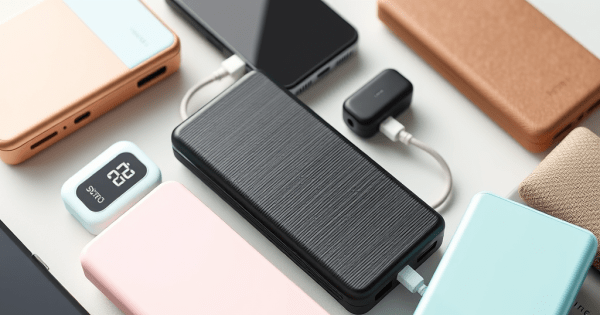
Choosing the right OEM/ODM power bank is crucial for businesses looking to offer reliable, high-quality charging solutions. Whether you’re a retailer, corporate gifting company, or promotional business, understanding key selection factors ensures customer satisfaction and brand success. This guide will help you navigate essential considerations when selecting power banks for OEM/ODM purposes.
Understanding Your OEM/ODM Power Bank Needs
Before sourcing OEM/ODM power banks, clearly define your business and customer needs. Are you reselling power banks? Offering branded promotional products? Catering to a specific target group, like iPhone or Android users? Answering these questions helps prioritize key features.
For general consumers, variety in capacity and design is essential. For corporate gifts, customization options take priority. Consider factors like multi-device charging needs or fast-charging preferences when making your selection.
- General Consumer Market: For the broader market, simplicity and affordability are crucial. Consumers in this group typically prioritize easy-to-use, compact power banks that are lightweight and portable. Opt for slim, minimalist designs with affordable pricing to cater to this segment. These models should offer solid functionality without extra frills, making them ideal for general consumers looking for reliable, cost-effective options.
- Female Consumers: Aesthetic appeal is important for many female buyers. Look for power banks with a variety of colors, stylish designs, and options that align with their fashion preferences. Light, thin models with chic finishes (such as pastel tones, metallic hues, or floral patterns) tend to be more popular. Additionally, these products should remain functional, easy to carry, and lightweight—ideal for slipping into handbags or pockets. Customization options, such as personalized engravings or packaging, can add a unique touch for this demographic.
- Male Consumers: Men often gravitate toward more practical and rugged designs. Power banks with a sleek, minimalist appearance in neutral or bold colors (like black, gray, or camo) are appealing to this group. Many male consumers also value higher capacity power banks due to their more intensive device usage. Power banks designed for durability, such as those with shockproof or waterproof features, may be particularly attractive to active or outdoor-oriented men.
While these preferences are common in various demographics, it’s important to note that these trends reflect the growing interest in power banks across the board. The demand for stylish, functional, and reliable charging solutions is not limited by gender or age.
Key Factors to Consider When Buying OEM/ODM Power Banks
1. Capacity & Battery Type
The battery capacity, measured in mAh (milliamp-hours), determines how much charge a power bank can store. Different use cases require different capacities:
- 5,000mAh – 10,000mAh: Ideal for light users who need to charge their smartphones once or twice.
- 10,000mAh – 20,000mAh: Suitable for professionals and travelers needing multiple charges for their devices.
- 20,000mAh and above: Best for heavy-duty users, including those charging tablets, laptops, and multiple devices.
Additionally, consider battery types:
- Lithium-Ion: Cost-effective and widely available.
- Lithium-Polymer: Slimmer, lighter, and more durable.
2. Charging Speed & Ports
Modern power banks offer fast charging capabilities such as USB-C PD (Power Delivery) and Qualcomm Quick Charge (QC) to ensure quick recharges.
When buying in bulk, look for:
- Multiple USB-A & USB-C ports to allow simultaneous charging.
- Wireless charging capabilities for added convenience.
- Pass-through charging (charging the power bank while charging devices).
3. Quality, Safety, and Certifications
Power banks should adhere to safety standards and certifications to ensure reliability. Essential certifications include:
- CE (Conformité Européenne) for European markets.
- FCC (Federal Communications Commission) for U.S. regulations.
- RoHS (Restriction of Hazardous Substances Directive) for eco-friendliness.
- UN38.3 certification for safe transportation of lithium batteries.
Ensure the power banks have overcharge, short-circuit, and overheating protection to maintain device safety.
4. Design & Build Quality
Consumers value aesthetics and durability. Key design considerations include:
- Compact and lightweight designs for easy portability.
- Rugged and waterproof power banks for outdoor and travel purposes.
- LED indicators or digital displays for better battery level visibility.
5. Custom Branding & Private Label Options
Many businesses seek custom-branded power banks to enhance their brand visibility. OEM/ODM suppliers often provide:
- Logo printing and engraving options.
- Custom packaging for a premium look.
- Unique colors and materials to align with branding.
How to Choose a Power Bank for iPhone
When selecting a OEM/ODM power bank specifically for iPhone users, there are several things to keep in mind:
- Wireless Charging: iPhones from newer models support wireless charging. Offering wireless charging power banks will appeal to those who prefer a cable-free experience.
- Compatibility with Apple’s Fast Charging: Ensure the power bank is compatible with Apple’s fast-charging technology, such as 18W USB-C PD.
- Compact Size: iPhone users often prefer lightweight, compact power banks that are easy to carry around.
Selecting a power bank that can charge an iPhone quickly and efficiently will enhance the user experience, making it more attractive for resellers.
How to Choose a Power Bank for Android
For Android users, power banks with higher capacities (15,000mAh or more) and multiple charging ports tend to be more popular. Android phones generally have larger batteries, so it’s essential to offer a power bank that can meet their charging needs.
- Multiple Port Options: Consider power banks with two or more USB-A or USB-C ports to cater to Android users who need to charge multiple devices.
- Fast Charging: Ensure the power bank supports Qualcomm Quick Charge or USB PD to deliver fast charging for compatible Android devices.
By providing power banks tailored to Android users, you’ll enhance the appeal of your product for businesses and end consumers.
How the Best OEM/ODM Power Bank Supplier Can Help
When selecting a supplier for your OEM/ODM power bank needs, Utopia is a top choice for businesses seeking quality, customization, and reliability. Utopia specializes in providing a wide range of OEM/ODM power banks with various capacities, fast charging options, and customization opportunities to meet your specific business needs.
From offering custom branding options like logo printing and unique packaging, to ensuring certified safety standards, Utopia ensures your power bank orders will not only meet but exceed expectations. Their durable, sleek designs are tailored to meet the demands of different consumer segments, from minimalist designs for general markets to rugged, outdoor-ready models for active individuals. Utopia’s products are also backed by essential certifications, including CE, FCC, and RoHS, ensuring your power banks comply with international safety regulations.
Whether you’re looking for a basic power bank for general consumers or a high-end product for tech companies, Utopia provides flexibility and reliability that aligns perfectly with your business goals.
Conclusion
Mastering how to choose OEM/ODM power bank involves evaluating capacity, device compatibility, and customization. By addressing specifics like how to choose a power bank for iPhone or Android users, businesses can cater to diverse needs effectively. Partner with us offering flexible branding and certifications to ensure quality and relevance in every bulk order now!

 UTOPIA | OEM/ODM Power Bank Manufacturer